
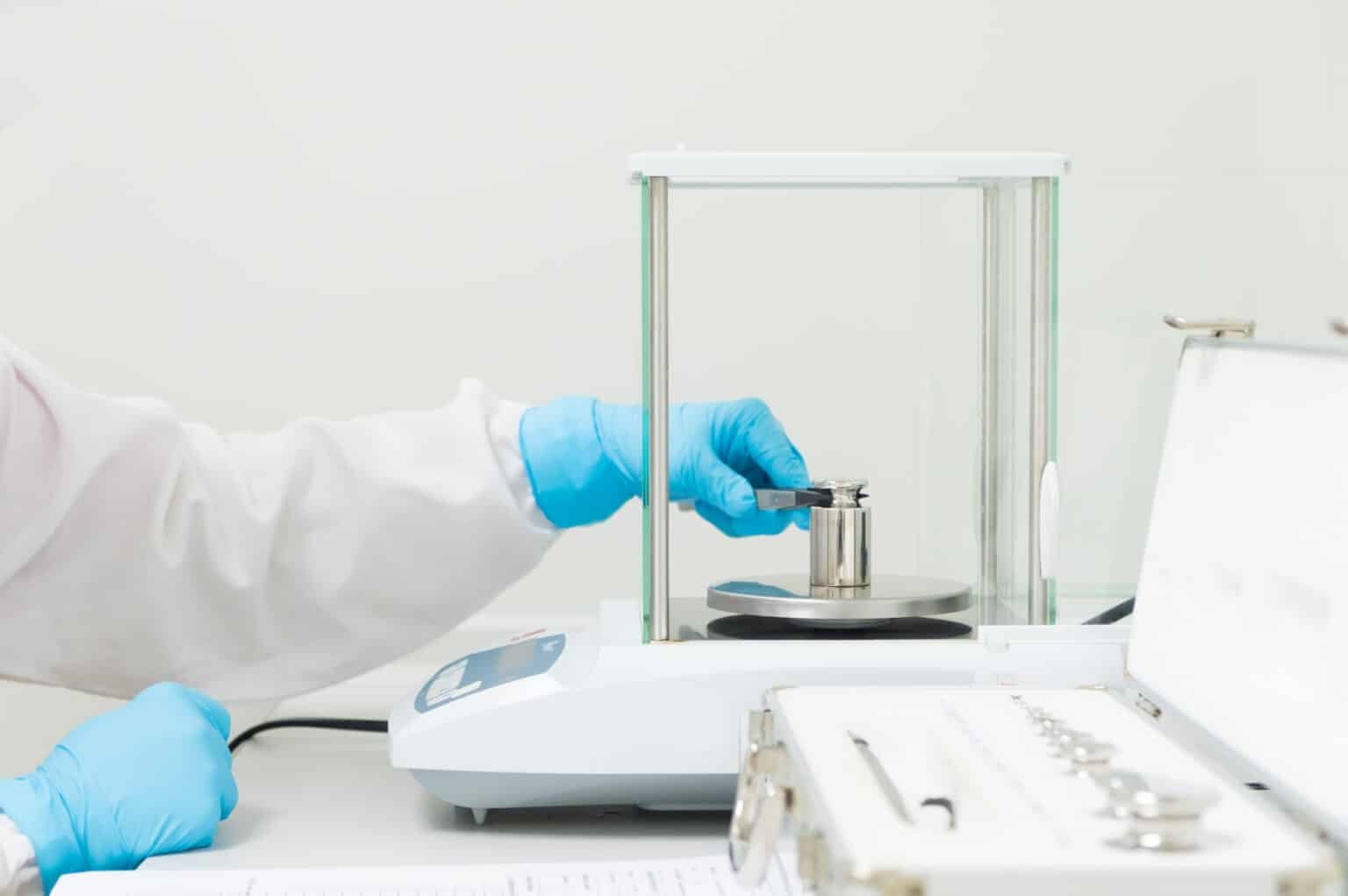
Cell and gene therapy (CGT) facilities operate in a different universe from traditional large-volume manufacturing. Batches are smaller, timelines are compressed, and the material you are handling is often irreplaceable. Yet one thing hasn’t changed: your process data is only as good as the instruments behind it.
From single-use bioreactors and viral vector production skids to controlled-rate freezers and ultra-low temperature storage, every parameter that defines your process – temperature, pH, dissolved oxygen, flow, pressure, gas composition – depends on calibrated equipment. When calibration is treated as an afterthought, you introduce hidden variability into a space that can tolerate almost none.
Why Regular Equipment Calibration Is Non-Negotiable in CGT
Life sciences regulators have been clear for years: regular, documented calibration of manufacturing equipment is a foundational GxP expectation. In CGT, where processes are complex and often still maturing, the stakes are even higher.
A strong calibration program directly supports:
-
Product quality and consistency
Uncalibrated sensors deliver biased or drifting readings, which can drive your process outside validated ranges without anyone noticing. That translates into failed doses, batch rejections, or variability that’s hard to explain later. -
Patient safety
For autologous and small-batch therapies, every deviation carries personal risk. Incorrect temperatures during culture, harvest, or cryopreservation can compromise viability or safety in ways that are not always visible at release. -
Regulatory compliance
FDA, EMA, and other authorities expect documented calibration procedures, schedules, and records for critical equipment. Missing or inconsistent calibration data is a common source of observations and warning letters in life sciences manufacturing. -
Operational reliability
Drift and gradual performance degradation often show up first as nuisance deviations and investigations. Systematic calibration and trending help you catch problems before they cause unplanned downtime. -
Data integrity
The integrity of your electronic batch records and comparability data hinges on knowing that underlying instruments are within tolerance. When equipment is uncalibrated or calibration records are incomplete, your data is vulnerable to challenge.
The Hidden Costs of Drift in Cell & Gene Therapy Lines
In practice, most CGT facilities don’t wake up one morning to find equipment “completely wrong.” Problems build slowly as instruments drift a little at a time. Without a disciplined calibration and verification schedule, that drift becomes embedded in your process.
Typical downstream impacts include:
- Increased deviation and investigation workload driven by unexplained variability in critical parameters.
- Batch rejections or partial failures when post-run analysis reveals conditions outside true setpoints.
- Delayed releases as teams chase data quality questions back to equipment performance.
- Resource drain as operations, quality, MSAT, and metrology teams revisit the same recurring issues.
In an environment where capacity is often your scarcest resource, the opportunity cost of poor calibration control is enormous.
Which Cell & Gene Therapy Assets Belong in the Calibration Program?
Not every piece of equipment in a CGT facility carries the same level of risk. A risk-based calibration strategy focuses on assets whose failure or drift could impact product quality, patient safety, or data integrity.
Typical CGT equipment categories include:
-
Bioreactors and single-use systems
pH, DO, temperature, agitation, gas flow, and pressure sensors, plus associated transmitters and controllers. -
Upstream and downstream process skids
Filtration units, chromatography systems, mixing systems, and fill/finish equipment with critical flow, pressure, and weight measurements. -
Incubators, CO₂ incubators, and environmental chambers
Temperature, CO₂, humidity, and O₂ measurements that directly affect cell health. -
Cryogenic and cold chain assets
ULT freezers, LN₂ storage, controlled-rate freezers, and continuous monitoring systems used to protect in-process and final product. -
Cleanroom and facility monitoring instruments
Differential pressure transmitters, temperature and humidity sensors, particle counters, and airflow monitors. -
Analytical and in-process testing instruments
Cell counters, spectrophotometers, balances, and other instruments used for release and characterization.
The first step is building a clear inventory and classification of equipment based on its impact on safety and quality – then aligning calibration frequencies and tolerances with that risk profile.
Regulatory Expectations for CGT Calibration Programs
Regulators do not treat CGT as “less regulated” just because the science is new. Existing GxP frameworks still apply – and inspectors expect calibration control to be robust, documented, and consistent across your asset base.
Key expectations include:
- Defined procedures describing how each class of equipment is calibrated, which standards are used, and what acceptance criteria apply.
- Traceability of reference standards to national or international standards wherever possible.
- Clear intervals and scheduling based on risk, manufacturer recommendations, and historical performance – not just arbitrary dates.
- Complete calibration records including as-found/as-left data, adjustments, and assessment of any impact on product or data if an instrument is found out of tolerance.
- Data integrity and audit trails when calibration is managed electronically, including access controls and change histories.
During inspections, calibration records for critical equipment are often among the first artifacts requested. A fragmented or paper-heavy system makes it difficult to demonstrate control across the full CGT asset base.

A Practical Calibration Strategy for Cell & Gene Therapy Sites
In CGT, “gold-plating” everything is not sustainable, but cutting corners is not an option. A practical, risk-based calibration strategy typically includes:
- Building a complete asset register for manufacturing, labs, and facility monitoring.
- Classifying assets by criticality: patient-critical, batch-critical, support, and informational.
- Defining calibration intervals that align with risk and usage, and adjusting them based on trend data.
- Standardizing procedures for common asset types (for example, incubators, ULTs, bioreactors).
- Integrating calibration status into batch release, change control, and deviation workflows.
- Digitizing records where possible to support auditability and cross-site comparability.
The goal is to move from reactive, last-minute calibration activities to a proactive program that supports manufacturing excellence rather than slowing it down.
How Nexus | Metrology Supports Cell & Gene Therapy Manufacturers
Nexus | Metrology helps CGT organizations translate calibration expectations into an asset strategy that actually works on the floor. We understand the reality of high-complexity, high-value production where there are no “extra” runs to make up for mistakes.
- Assessing current calibration and metrology practices against GxP and CGT-specific risks.
- Building risk-based equipment lists and calibration matrices spanning process, utilities, and labs.
- Authoring calibration procedures, work instructions, and program documentation that slot into your QMS or eQMS.
- Establishing governance for out-of-tolerance events and impact assessments on CGT batches.
- Providing fractional metrology leadership to coordinate quality, MSAT, maintenance, and operations.
The outcome: fewer surprises, fewer last-minute scrambles before inspections, and greater confidence that your CGT data, batches, and patients are protected by a calibration program built for the science you’re running today – and the scale you’re targeting tomorrow.
Need to Strengthen Calibration for Your Cell & Gene Therapy Facility?
Whether you’re commissioning a new CGT suite, scaling commercial production, or responding to regulator feedback, Nexus | Metrology can help you design and execute a calibration strategy that fits your risk profile and growth plans.