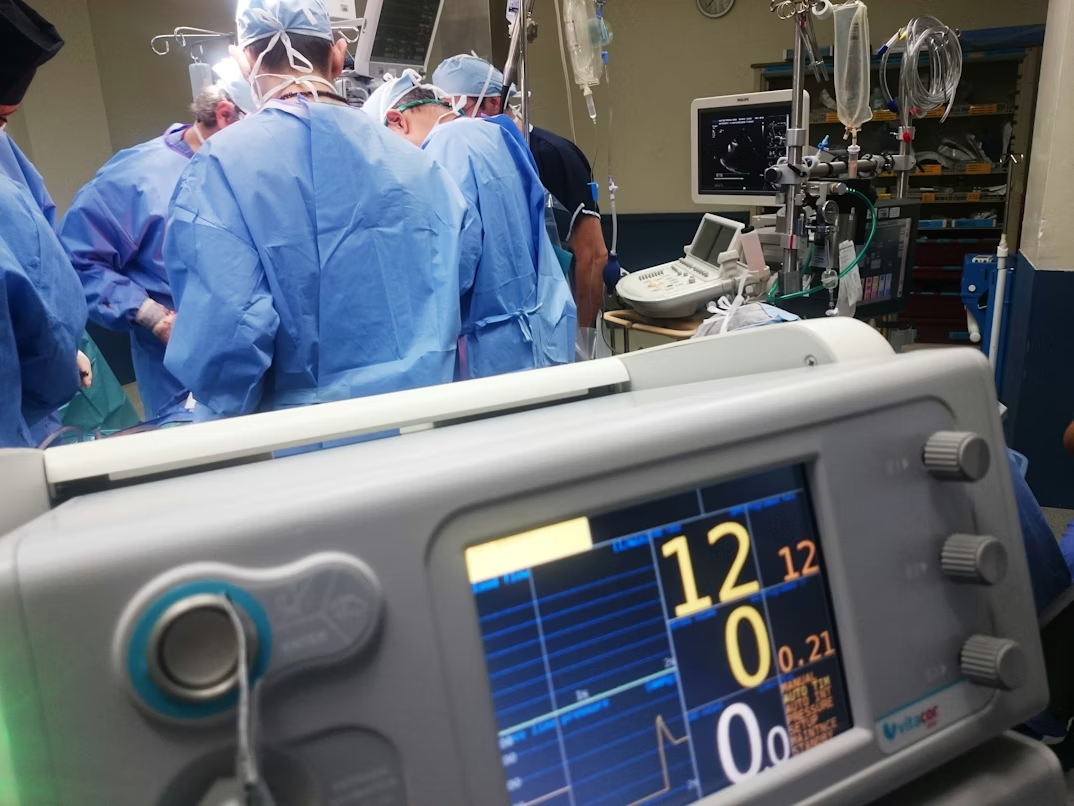
In the medical device world, a single inaccurate reading can have consequences that go far beyond scrap material or lost batches. Blood pressure monitors, infusion pumps, ventilators, diagnostic analyzers – every one of these devices is trusted to produce accurate, repeatable measurements when a clinician needs them most.
Behind that trust is calibration. Medical equipment calibration confirms that measuring, monitoring, and testing equipment is operating within defined limits, using standards that are traceable to national or international references. When that system is weak or inconsistent, the risk lands directly on patients, regulators, and your brand.
What Is Medical Equipment Calibration?
Medical equipment calibration is the process of comparing the output of an instrument or device to a known, traceable standard under controlled conditions. If the device’s readings differ from the reference by more than an acceptable tolerance, it is adjusted, repaired, or removed from service until it can be brought back into control.
For medical device manufacturers, this applies to equipment used in:
- Production and assembly of medical devices
- In-process and final testing
- Environmental and cleanroom monitoring
- Verification and validation activities
For hospitals and healthcare providers, calibration also extends to finished medical devices – the devices that are actually used on patients every day.
Why Calibration Matters in Medical Device Manufacturing
A robust calibration program is not just a checkbox; it directly supports:
-
Patient safety
Devices that measure or deliver therapy (for example, infusion pumps, ventilators, defibrillators, vital signs monitors) must operate within tight tolerances. Calibration protects against under- or over-dosing, missed alarms, and incorrect diagnoses. -
Product quality and performance
Manufacturing and test equipment drive key specifications such as flow rates, pressures, temperatures, electrical outputs, and timing. If those instruments are inaccurate, your device performance data will be, too. -
Regulatory compliance
Regulations like FDA 21 CFR Part 820, EU MDR/IVDR, and ISO 13485 expect manufacturers to control measuring and monitoring equipment, keep calibration records, and respond when devices fall outside tolerance. -
Defensibility during audits and investigations
Clear calibration histories, traceable standards, and documented out-of-tolerance reviews are critical when responding to audit questions, complaints, or post-market investigations. -
Operational efficiency
Unplanned downtime, repeated testing, and product holds often trace back to gaps in calibration and equipment management. A risk-based program reduces surprises.
Which Medical Equipment Requires Calibration?
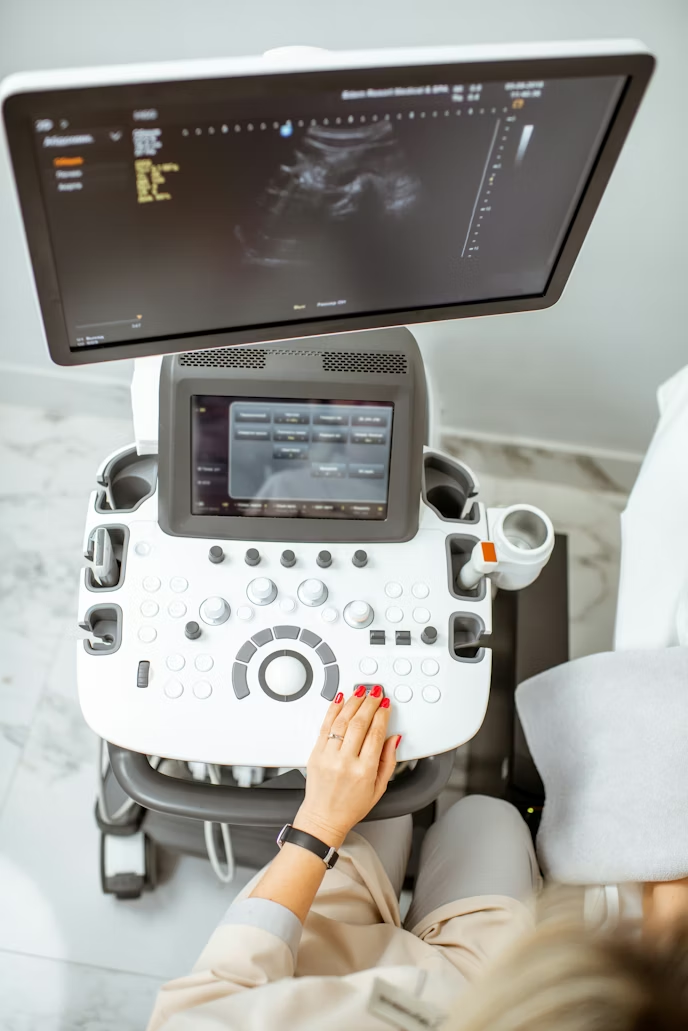
Any equipment that measures, monitors, or delivers a quantifiable output that can impact patient safety or product quality should be included in your calibration program. Typical categories include:
-
Production and process equipment
Injection molding machines, assembly fixtures, torque tools, sealing and welding equipment, pressure and flow controllers, and other devices that affect critical dimensions or process parameters. -
Test and inspection equipment
Electrical safety analyzers, multimeters, oscilloscopes, functional testers, simulators, and laboratory balances used for verification and release testing. -
Environmental and facility monitoring instruments
Thermometers, RTDs, chart recorders, humidity sensors, particle counters, and other devices used to monitor cleanrooms, laboratories, and storage environments. -
Finished medical devices in the field
Infusion pumps, patient monitors, ventilators, anesthesia machines, ECG devices, and other finished devices require periodic calibration and performance verification throughout their service life.
A risk-based approach helps determine which equipment is “quality critical” and must be calibrated more tightly and more frequently.
When Should Medical Equipment Be Calibrated?
Medical device regulations and standards expect manufacturers to define calibration intervals based on equipment function, risk, and historical performance – not just fixed dates. Common triggers include:
- Initial qualification or installation of new equipment
- Routine, interval-based calibration (for example, every 6 or 12 months)
- After repair, modification, or software/firmware changes
- After events such as drops, shocks, power surges, or environment excursions
- When trend data or checks indicate drift or unexpected results
- Following out-of-tolerance findings on related instruments or reference standards
The key is consistency: once frequencies are defined, the organization must adhere to them or formally justify changes based on data.
Key Regulations and Standards for Medical Equipment Calibration
Multiple frameworks govern how medical device organizations manage measuring and monitoring equipment. Calibration programs should align with at least the following:
-
FDA 21 CFR Part 820 (Quality System Regulation)
Requires manufacturers to routinely calibrate, inspect, check, and maintain equipment, document activities, and investigate when equipment is found out of tolerance. -
EU MDR and IVDR
Require device manufacturers to demonstrate control of processes and equipment that impact safety and performance, supported by technical documentation and post-market surveillance. -
ISO 13485:2016
Specifies that monitoring and measuring equipment must be calibrated or verified at specified intervals, traceable to international or national standards where available, and protected from damage and adjustments. -
ISO 14971 and risk management
Calibration is a key control for risks associated with incorrect measurements, alarms, or therapy delivery.
Across all of these, the expectations are similar: define your process, use appropriate standards, keep records, and react proportionally when something goes wrong.
A Practical Calibration Process for Medical Device Organizations
A mature calibration program follows a structured, repeatable process from asset identification through ongoing improvement. A typical workflow includes:
- Identify all equipment that can influence product quality or patient safety.
- Classify equipment by risk and function – for example, quality-critical vs. standard.
- Define calibration intervals based on risk, manufacturer recommendations, and history.
- Create calibration procedures that specify methods, standards, environmental conditions, and acceptance criteria.
- Assign roles and responsibilities for owning, performing, and reviewing calibration.
- Select qualified providers – internal labs, external accredited labs, or a combination.
- Schedule calibration activities and ensure equipment is available before due dates.
- Execute calibration following the approved procedures and reference standards.
- Record results, including as-found/as-left data, adjustments, and uncertainties where applicable.
- Review and approve data, including assessment of any out-of-tolerance conditions.
- Label equipment clearly with status, dates, and next due date.
- Store calibration records securely and make them retrievable for audits and investigations.
- Audit and improve the program based on findings, trends, and feedback.
Many manufacturers manage these steps within an electronic quality management system (eQMS), tying calibration to change control, CAPA, training, and audits.
Finished Devices and Calibration in the Field
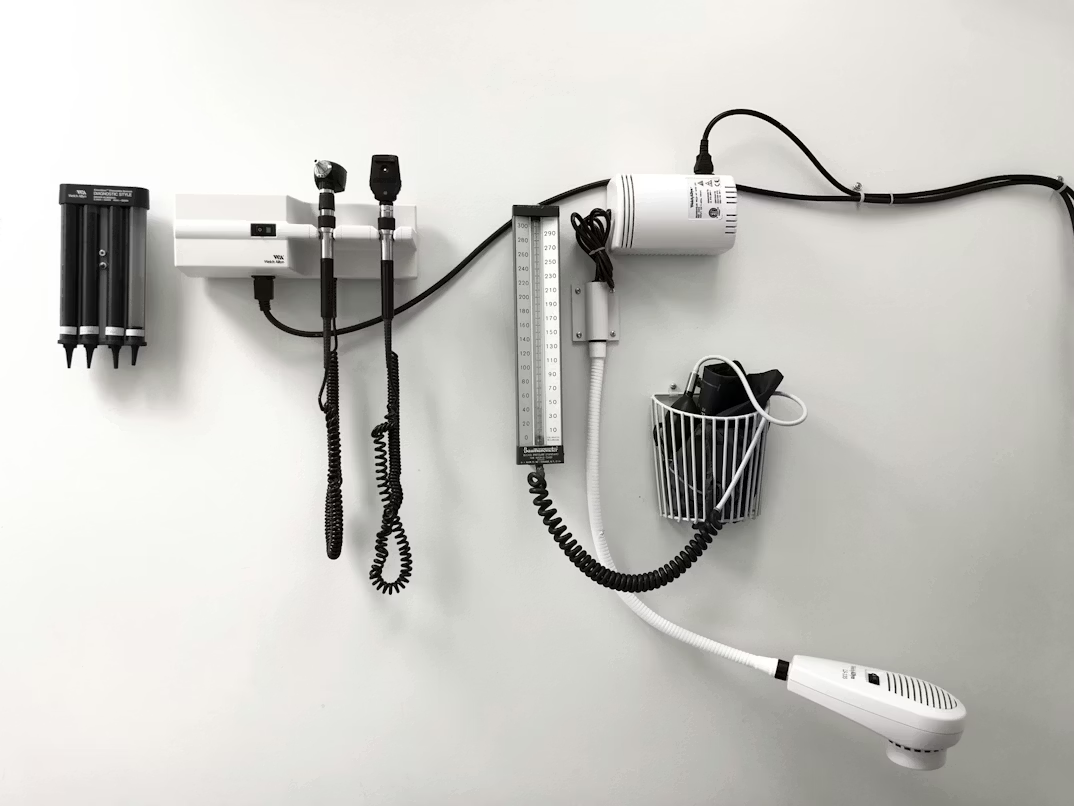
Calibration responsibilities do not end when the device ships. In many cases, finished medical devices require ongoing calibration and functional checks at hospitals, clinics, and service centers throughout their life cycle.
Typically:
- The manufacturer defines calibration procedures, tolerances, and recommended intervals in the device’s technical documentation and instructions for use.
- Healthcare providers and service organizations are responsible for implementing those recommendations, documenting activities, and removing devices from service when they are out of tolerance or unsafe.
- Service and field teams often rely on reference standards (for example, electrical safety analyzers, flow analyzers, patient simulators) that themselves must be calibrated regularly.
A clear interface between manufacturer requirements and field calibration programs helps prevent gaps that could impact patient care.
How Nexus | Metrology Supports Medical Device and MedTech Teams
Nexus | Metrology helps medical device and MedTech organizations design, implement, and operate calibration programs that meet regulatory expectations while remaining practical for real-world operations. We combine hands-on metrology expertise with program-level leadership.
- Building or remediating calibration programs for manufacturers preparing for audits, inspections, or certification.
- Defining risk-based equipment classification and calibration intervals aligned with your device risk profile.
- Creating standardized calibration procedures and work instructions that can be plugged into your QMS or eQMS.
- Performing gap assessments on calibration records, labeling, and traceability before notified body or FDA inspections.
- Providing fractional metrology leadership to guide internal teams and external service partners.
The result is simple: a calibration program that protects patients, satisfies regulators, and gives your technical and quality teams confidence in the numbers they use every day.
Need to Strengthen Your Medical Equipment Calibration Program?
Whether you are launching a new device, scaling production, or responding to audit findings, Nexus | Metrology can help you design and execute a calibration strategy that fits your size and risk profile.